Daily
Daily Wellness
Ten small habits for more ease: eat with presence, hum, walk and pause from screens.
Read the articleResources from Belinda
Practical wellness ideas, stories from Belinda’s sessions and tools for therapists, to read at your own pace.
This is general wellness information and Belinda’s personal experience. It is not medical advice and does not replace care from your doctor or another health professional. If you have a health concern, please speak to them first.
Micro habits for lasting balance
Wellness is a daily practice. Start with one idea.
Ten small habits for more ease: eat with presence, hum, walk and pause from screens.
Read the articleA weekly check-in with your breath, your moods and your rhythms.
Read the articleEight simple practices for releasing tension and making room to breathe.
Read the articleFrom the treatment room
What clients shared and what we did together. Names are left out to protect privacy.
Recurring headaches
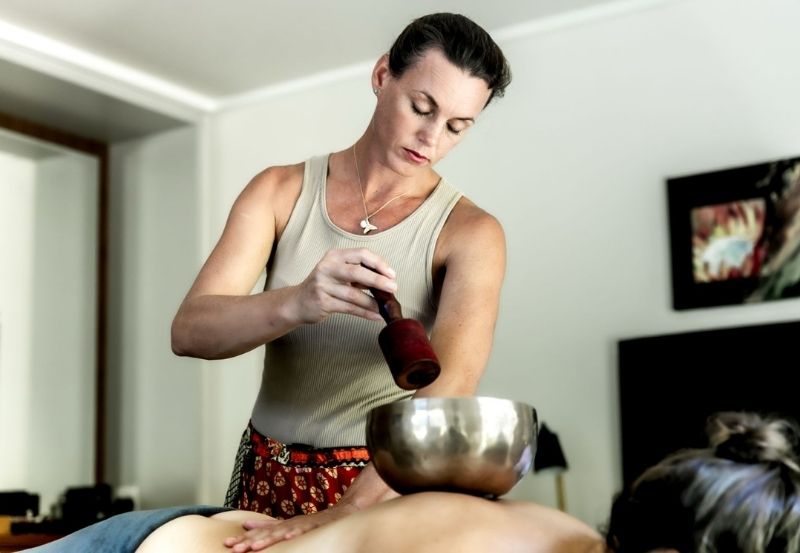
A client came to me after two months of recurring headaches. Her shoulders were rounded and her breathing was shallow. I used sound bowls and low-pitched tuning forks, a calming roller blend on her neck, chest and abdomen, and a cool ice-cube fascia massage. She told me she felt “euphoric” afterwards.
I suggested a few home habits: cat–cow movement, humming, drinking enough water and a calming aroma. Headaches that keep returning deserve a proper check-up, so I always encourage clients to see their doctor too.
Sinus discomfort
A client arrived with sinus discomfort and congestion, and he was finding it hard to focus. He was already on medication, and we had just 20 minutes. I used a grounding roller blend and tuning forks around the neck, face and chest. His neck and forehead softened, and he said his breathing felt freer.
I encouraged him to keep following his doctor’s advice, and I shared some things to try at home: humming, gentle face massage and simple neck and chest release.
Feeling overwhelmed
A client called me after a severe anxiety episode. I placed a root chakra bowl between her feet and massaged a calming blend into her neck, chest and abdomen. As the session went on, her shoulders softened, her voice steadied and her breathing became smooth.
She now walks daily, hums, and uses her blend to settle herself. If anxiety is frequent or severe, please speak to your doctor or a mental health professional.
Shallow breath and tension
When I first met this client, her breathing was shallow, her face pale and her eyes distant. I used a calming blend and gentle tuning-fork tones on her chest and abdomen. Within about 20 minutes her breathing had settled into a steady rhythm.
In follow-up sessions we continued with sound. She now uses the blend daily, hums, and spends less time on screens.
Nervous before a procedure
A client felt anxious ahead of a procedure, and her body was tense. I rested a bowl between her feet and another on her chest, massaged her neck, chest and abdomen with a calming blend, and guided her into slow abdominal breaths. Her face softened and her breathing deepened.
After her procedure the next day, she told me she had felt calm and that it was less painful. I encouraged her to hum for a minute, three times a day.
Feeling trapped
This client’s fear of confined spaces went back to a frightening childhood swimming experience. I massaged a grounding blend into her feet and a calming one onto her neck, chest and abdomen, and used sound on her feet and chest. I asked her to hum after exhaling, and she found she could make sound without a full breath.
She described her sense of being trapped shifting to a sense of choice. She now hums daily and uses a calming blend to ground herself. For deep-seated fears or trauma, working with a qualified professional matters, and I’m always happy to suggest where to start.
These are individual experiences, not promises of results. They are not medical advice, and every session is different.
Wellness tools for therapists
Practical, plain-language notes on body systems and gentle approaches. Useful for therapists and curious readers alike.
Cerebrospinal fluid, breath and spinal movement, in plain language.
Read the articleThe five diaphragms and how breath, sound and scent come together.
Read the articleThe lymphatic system and why breath, movement and gentle touch matter.
Read the articleA few useful answers
Many people describe low sounds as soothing, a little like a gentle hum felt through the body, and find it helps them relax and slow their breathing. Everyone’s experience is different, and there’s no right way to feel.
Fascia is the connective tissue that wraps around your muscles, organs and bones. When it feels supple, we tend to move more freely. Massage and gentle movement are common ways people look after it.
Many people find that massage and sound help them relax, release tight muscles and feel more at ease. Experiences vary, and these sessions are not a treatment for pain. If you have ongoing pain, please see your doctor.
Short, regular practice is a gentle way to build calm and focus. Even five minutes a day is a good start, and many people find it helps them feel settled.
Yes. Meditation is less about emptying your mind and more about noticing what’s there without judging it. Short practices are a good place to begin.
Many people find massage helps them relax, release tight muscles and breathe more easily. It’s also simply a chance to rest and be looked after.
Scent is personal. Many people enjoy aromas as part of a relaxing session, and some prefer none at all. Tell Belinda about any allergies or sensitivities, and say if you’d like a fragrance-free session.
The lymphatic system helps drain fluid from your tissues and supports your immune system. It relies on breath and movement to keep going. If you have persistent swelling, please see your doctor.
Curious about any of this? Start a conversation with Belinda or call 072 284 5415.